Using Donor Eggs: Process, Timeline & What to Expect
Learn how donor egg IVF works, from donor screening and fresh vs. frozen eggs to embryo transfer, timeline, success rates, and cost considerations.
Using donor eggs can offer another path to pregnancy when using your own eggs is not the most suitable option. It may be considered when someone has diminished ovarian reserve, age-related egg quality concerns, certain inherited genetic conditions, or previous unsuccessful IVF attempts.
However, donor egg IVF involves several decisions, from selecting a donor to preparing for embryo transfer. Understanding the medical process, expected timeline, and associated costs can help you feel more prepared.
At Her Serenity, patients receive personalized guidance throughout donor egg planning. The team reviews fertility history, discusses donor selection considerations, and coordinates treatment steps to help patients understand their options and what comes next.
What Does Using Donor Eggs Mean?
Donor egg IVF is a fertility treatment in which eggs from another person are fertilized with sperm in a laboratory. The resulting embryo is then transferred into the intended recipient's uterus.
The sperm may come from a partner or a sperm donor. The recipient undergoes medical preparation to support embryo implantation and pregnancy.
Donor eggs may be considered when:
- Ovarian reserve or egg quality is significantly reduced.
- Previous IVF cycles have resulted in unsuccessful fertilization or embryo development.
- Premature ovarian insufficiency affects egg production.
- Certain inherited genetic conditions create concerns about using one's own eggs.
- Age-related reproductive changes make donor eggs a suitable option.
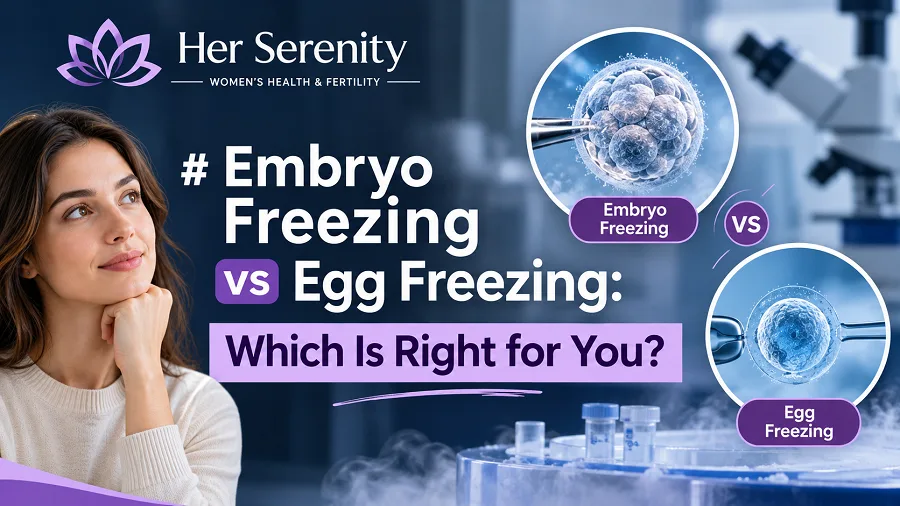
The decision depends on individual medical circumstances. If you're still comparing fertility preservation methods, understanding how egg freezing and embryo freezing differ can also help clarify which options involve your own eggs and which involve donor treatment.
How Does the Donor Egg IVF Process Work?
The process involves several stages. Your treatment plan will depend on whether you use fresh or frozen donor eggs, your medical history, and your preferred treatment arrangements.
Initial Consultation and Fertility Assessment
The first step involves reviewing your reproductive history, previous fertility treatments, medical conditions, and pregnancy plans.
Your fertility specialist may recommend blood tests, ultrasound examinations, and an assessment of your uterus. These evaluations help determine whether donor egg IVF is appropriate and whether additional treatment is needed before transfer.
Her Serenity begins with a consultation to review your fertility testing, treatment history, and preferences. The team helps you understand your options and develop a plan based on your medical circumstances and priorities.
Donor Selection and Screening
Once donor egg treatment is being considered, the next step is identifying a suitable donor.
Depending on the program, you may work with a fertility clinic, donor agency, or known donor. Selection involves reviewing available medical information, screening results, and personal preferences.
Donor screening commonly includes:
- Medical and family health history.
- Physical examination.
- Infectious disease testing.
- Genetic carrier screening.
- Appropriate psychological or psychoeducational counseling.
The US Food and Drug Administration (FDA) regulates donor eligibility and infectious disease screening for reproductive tissue. The American Society for Reproductive Medicine (ASRM) also recommends appropriate genetic evaluation and counseling for donors and recipients.
Her Serenity offers donor matching guidance, helping patients understand screening considerations, compatibility questions, and treatment logistics before proceeding. Its Egg Donor Conception service also outlines how donor planning, cycle preparation, and transfer coordination fit together.
Egg Retrieval and Fertilization
The next stage depends on whether the treatment uses fresh or frozen donor eggs. For fresh donation, the donor generally takes hormone medications to stimulate the ovaries. The fertility team monitors follicle development before retrieving mature eggs through a medical procedure.
With frozen donor eggs, the eggs have already been collected and stored. They are thawed before fertilization.
In either case, the eggs are fertilized with partner or donor sperm in an IVF laboratory. This may involve conventional IVF or intracytoplasmic sperm injection (ICSI), depending on the clinical circumstances.
Embryologists then monitor embryo development and identify embryos suitable for transfer or freezing.
If additional embryos are suitable for storage, embryo freezing may provide an opportunity for future transfers without repeating the entire donor egg retrieval process.
Preparing for Embryo Transfer
While the embryos develop, the recipient prepares for transfer. This may involve estrogen medication to help the uterine lining develop, followed by progesterone to support the implantation window. Some patients may follow a natural or modified natural cycle instead.
Ultrasound examinations and, when appropriate, blood tests help assess whether the uterine lining is ready. Her Serenity coordinates recipient preparation and transfer planning, helping patients understand medication schedules, monitoring requirements, and important treatment milestones.
Embryo Transfer and Pregnancy Testing
Once the embryo and uterine lining are ready, the fertility specialist performs the transfer.
A thin catheter is used to place the embryo into the uterus. The procedure is generally brief and does not usually require general anesthesia.
A blood pregnancy test is typically scheduled around 9–14 days after transfer, depending on the clinic's protocol.
If the result is positive, follow-up blood tests and ultrasound examinations help assess early pregnancy development. If pregnancy does not occur, the fertility specialist can review the outcome and discuss possible next steps.
Fresh vs. Frozen Donor Eggs: What's the Difference?
Both options can be used in donor egg IVF, but they involve different treatment arrangements. Fresh donor eggs are retrieved during a planned donation cycle. This requires coordination between donor treatment, egg retrieval, sperm availability, and recipient preparation.
Frozen donor eggs have already been retrieved and cryopreserved. They can offer greater scheduling flexibility because donor stimulation and retrieval do not need to happen alongside the recipient's treatment.
Neither option is automatically better for everyone. Egg quality, laboratory experience, the number of eggs available, and individual treatment circumstances should guide the decision.
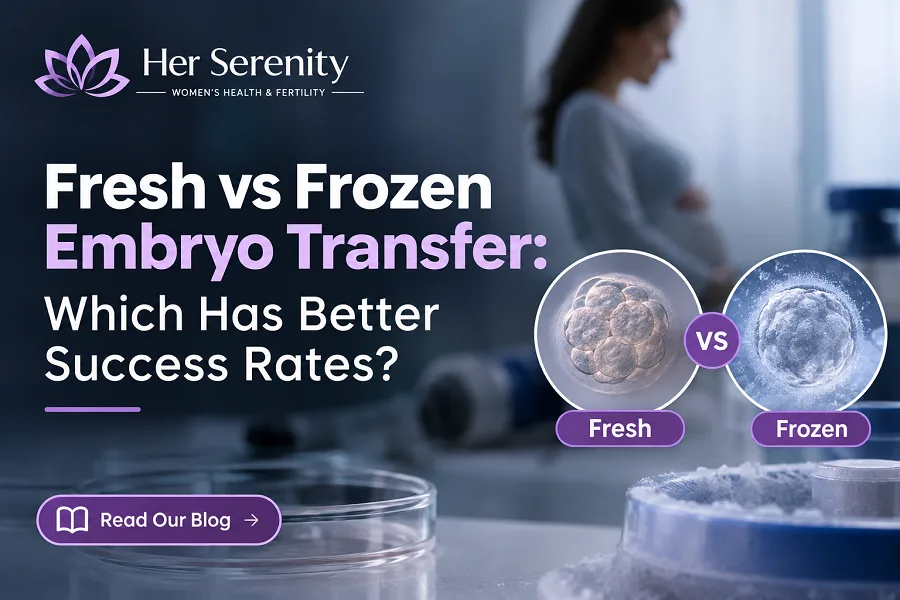
Similarly, the choice between fresh and frozen embryos later in the process is a separate consideration. Our guide to fresh vs. frozen embryo transfer success rates explains how transfer timing, uterine preparation, and individual medical factors can influence treatment decisions.
How Long Does the Donor Egg IVF Process Take?
The timeline varies according to donor availability, screening requirements, treatment coordination, and whether fresh or frozen eggs are used.
Generally, the process may take several weeks to a few months from initial consultation to embryo transfer.
| Treatment Stage | General Timeline |
|---|---|
| Consultation and fertility assessment | 1–3 weeks |
| Donor selection and screening | Several weeks or longer |
| Fresh donor stimulation and retrieval | Approximately 2–3 weeks |
| Fertilization and embryo development | Approximately 3–7 days |
| Recipient preparation | Usually 2–4 weeks |
| Pregnancy testing | Around 9–14 days after transfer |
These are general planning estimates, not guaranteed treatment schedules. Some stages may overlap, while additional screening or medical preparation can extend the process.
Her Serenity helps coordinate the donor pathway, recipient preparation, and transfer planning so patients understand upcoming appointments and decisions.
What Are the Success Rates of Donor Egg IVF?
Donor egg IVF can offer favorable outcomes for people whose own egg quality or ovarian reserve affects their chances of pregnancy. However, success varies between clinics and treatment circumstances.
The CDC reports donor egg success rates per embryo transfer rather than grouping recipients by age. This reflects the different role of donor egg age in interpreting treatment outcomes.
Nevertheless, donor age at egg retrieval, embryo development, sperm quality, and uterine health remain relevant factors. A positive pregnancy test also does not guarantee a live birth.
Patients should ask about live birth rates per transfer and whether the clinic's figures relate to fresh or frozen donor eggs.
What Does Donor Egg IVF Cost?
The total cost depends on the donor program, egg source, clinic fees, medications, and additional laboratory procedures.
Initial expenses may include consultations, fertility assessments, donor screening, donor compensation where applicable, agency fees, and egg retrieval for fresh cycles.
Additional costs may involve:
- Frozen donor egg purchase or allocation fees.
- Sperm preparation and fertilization.
- Embryo culture and optional genetic testing.
- Embryo freezing and storage.
- Recipient medications and monitoring.
- Embryo transfer and pregnancy testing.
Her Serenity does not publish a verified, comprehensive donor egg IVF price list. Request an itemized estimate that separates initial treatment expenses from future storage and transfer costs. Also check which services, if any, your insurance covers.
Explore Donor Egg IVF With Her Serenity
Choosing donor eggs is a personal decision that deserves careful medical planning and clear guidance.
Her Serenity helps patients review their fertility history, explore donor matching considerations, coordinate treatment preparation, and plan embryo transfer. During a consultation, you can discuss donor screening, fresh versus frozen eggs, expected timelines, costs, and the questions that matter most to your circumstances.
Schedule a consultation with Her Serenity to explore donor egg treatment and understand the next steps toward pregnancy.